
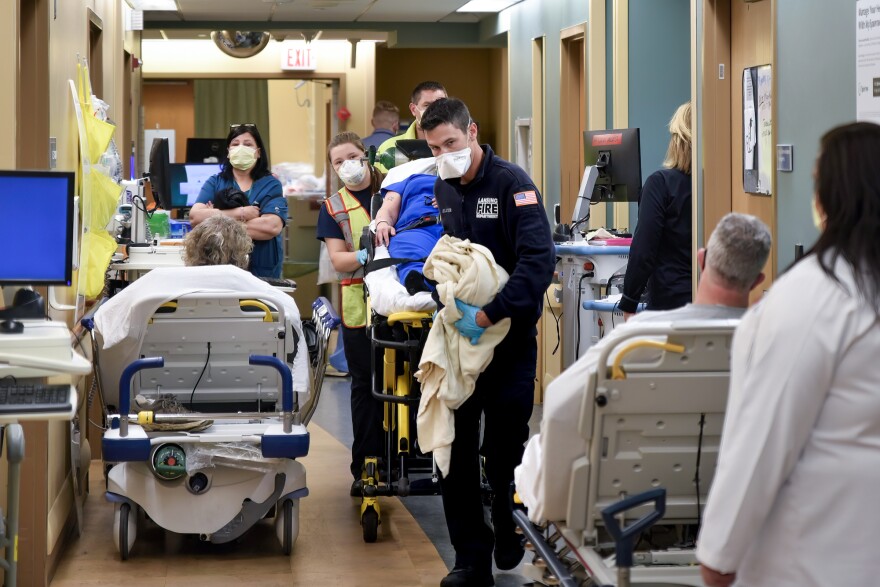
with its emergency department handling more than double the number of patients it was designed for.
Originally built to treat about 150 patients per day, the ER is now seeing over 300 daily, totaling roughly 107,000 visits per year—far beyond its intended capacity of around 50,000.
What’s going on inside
Hospital officials say they’ve had to improvise aggressively:
- Offices, lounges, and even conference rooms are now being used for patient care
- A corridor of offices has been converted into a pediatric treatment area
- Many of these spaces were never designed for medical use
Dr. Kyle Vojdani, the hospital’s chief medical director, made it clear: this isn’t minor overflow—this is structural strain on the system.
Rising pressure from population growth
- Pediatric cases have jumped ~70% in five years
- Adult visits are up ~35%
- The hospital expects to serve 50,000 more residents in the next five years
This means the situation is likely to get worse, not better.
Serious cases, not minor visits
Around 95% of patients are high-acuity, including:
- Heart attacks
- Strokes
- Severe infections (sepsis)
- Major injuries
So this isn’t a case of ER misuse—these are real emergencies requiring urgent care.
Temporary fixes vs real solutions
To cope, the hospital is:
- Using AI tools to reduce paperwork and boost efficiency (10–15% improvement)
- Adding remote monitoring and wait-time systems
- Pushing the province for more funding, staff, and physical space
The Ontario government says funding for the broader health network has increased, but clearly, demand is still outpacing resources.